These are the tools, books, and frameworks I reach for when I'm doing real work: facilitating retreats, coaching leaders, helping teams understand what they're actually trying to build. Not a reading list for its own sake. Things that have genuinely changed how I work.
The most useful assessment I know for helping people understand how they actually show up, not just how they want to be seen. My own profile (Communication, Significance, Individualization, Input, Woo) gave me language for instincts I had but couldn't name. In facilitation, I use CliftonStrengths not as a personality sorter but as an entry point into the conversation every team needs to have: what is each person bringing, and how do we build from that?

Culture conversations usually get stuck because nobody wants to say what they actually feel. This card deck sidesteps that. It invites teams to name the emotions they want to feel at work, the ones they don't, and the gap between the two. I've used it in retreats, onboarding sessions, and team resets. It consistently surfaces things that wouldn't come up any other way, which is exactly what a good tool should do.
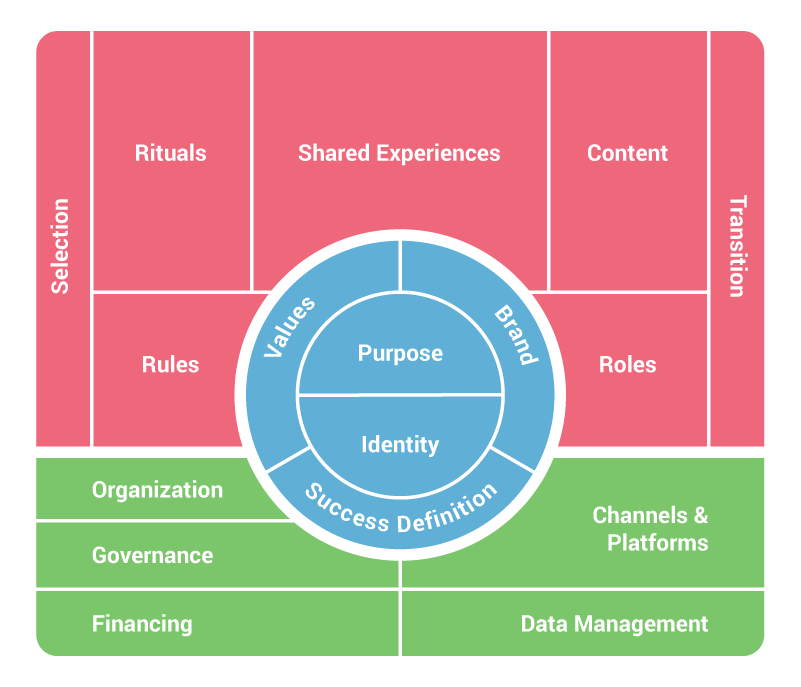
A framework for thinking rigorously about what a community actually is and what it needs to grow. It maps seventeen elements across three pillars: identity, experience, and structure. What I love about it is that it treats community as something you can think carefully about, not just feel your way through. I've used it with organizations trying to understand whether what they've built is actually a community, or an audience that shows up.
June Holley's essential guide to building networks that create change, not by organizing people into hierarchies but by cultivating relationships, trust, and the conditions for self-organization. This book reshaped how I think about what it means to lead in a networked world. The shift from "how do I get people to do things" to "how do I build the conditions where things can happen" is harder than it sounds. This book makes that shift concrete.
The book that most changed how I think about what community actually requires. Block argues that community is built from gifts rather than deficiencies, and that the questions we ask in a room determine what kind of community the room becomes. It's something I return to constantly. It reframes the work from fixing problems to activating what's already present. That shift sounds simple. Living it out is not.
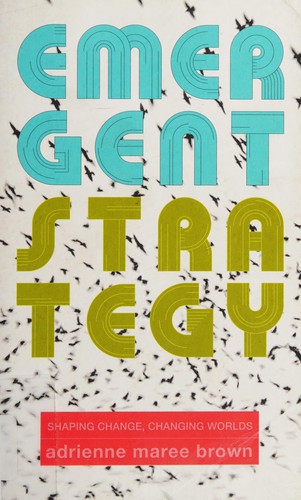
Brown's premise is that change happens relationally, not transactionally; that small patterns ripple outward in ways we can't always predict, and that transformation is more about the quality of connection than the scale of the intervention. I read this as a practitioner, not a theorist. It gave me language for things I had been doing instinctively in facilitation and program design: move at the speed of trust, pay attention to what's alive in the room, build from what's already working.
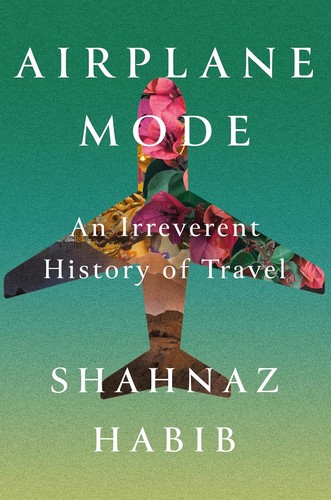
Habib's interrogation of travel writing asks a question I think about constantly: who gets to be the learner? Who gets to arrive somewhere new and have their transformation be the point? She's not against travel. She's against the way travel gets narrated as something that happens to a particular kind of person, from a particular kind of place, encountering a particular kind of other. Reading this made me more honest about what I'm actually doing when I bring people to unfamiliar communities and ask them to be changed by the experience.
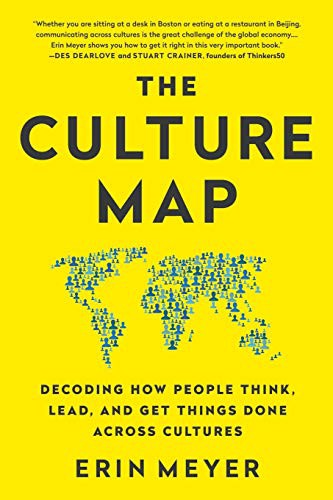
Meyer's framework for understanding how culture shapes the way people communicate, evaluate, lead, and build trust. I use this constantly when designing global programs, as a reminder that my defaults are not universal, and that the way I read a room says as much about where I come from as it does about the room itself. Required reading for anyone working across national and cultural lines.
More coming. This list grows as I work.